
Pillar Candles vs Taper Candles: Which to Choose
Different styles serve different purposes. We compare burn time, ambiance, and practical use cases to help you pick the right candle for your space.
Natural beeswax burns longer, cleaner, and releases a subtle honey scent without any additives. We break down the real benefits and why they're better than paraffin alternatives.

By
Keltavex Team
Written by the Tábor keltavex Team, focused on honest guidance about hand-poured beeswax candles and Czech candle craftsmanship.
When you're shopping for candles, you'll notice the price difference right away. Beeswax costs more than paraffin, and that's not a mistake or a markup. It's genuine value. Beeswax is a natural wax produced by honeybees, and it burns with properties that paraffin simply can't match.
The real story isn't just about a longer burn time or a pleasant scent — though both matter. It's about what happens when you light a beeswax candle. You're getting cleaner air, better light, and a product that actually improves your space.
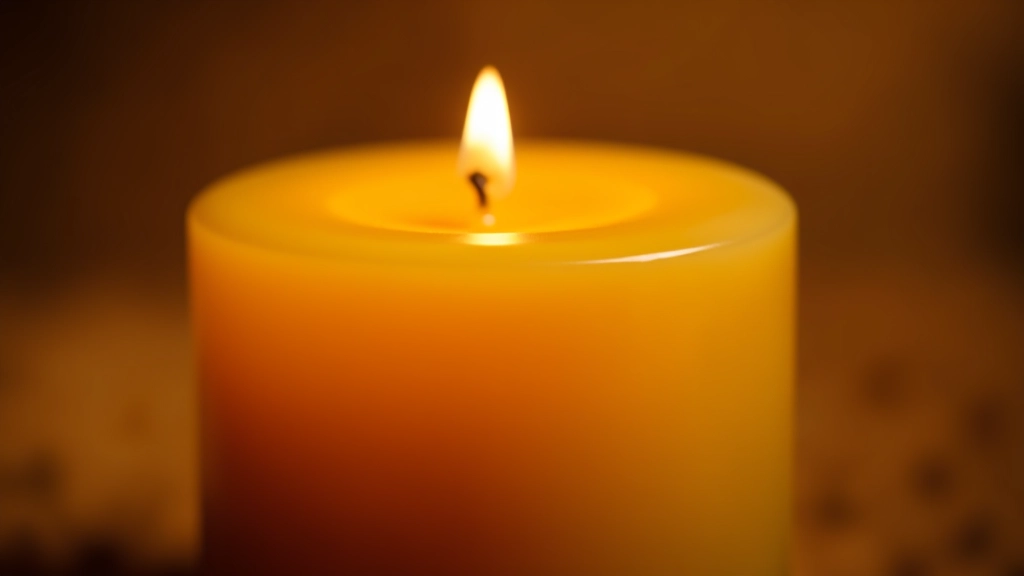
Beeswax burns differently than paraffin. The flame is brighter — it produces negative ions that actually purify the air around it. You'll notice the light quality immediately. It's not harsh or flickering. It's steady, warm, and natural-looking in a way that makes your space feel more inviting.
The burn time is genuinely longer. A hand-poured beeswax candle burns at about 5 hours per ounce, compared to 3-4 hours for paraffin. That's a real difference. If you burn a candle for two hours each evening, you're looking at weeks of use from a single candle instead of days.
Paraffin is petroleum byproduct. It's cheap to produce, which is why most candles in stores use it. When paraffin burns, it releases toxins into the air. You won't notice it immediately, but if you burn paraffin candles regularly in a small room, you're essentially inhaling soot and chemicals.
Beeswax is organic. It's created by bees to build honeycomb, and when you burn it, it produces negative ions. These ions bond with pollutants in the air and help neutralize them. This isn't marketing — it's actual chemistry. Studies have shown that burning beeswax can reduce airborne particulates.
There's also the color difference. Beeswax is naturally golden-amber. Paraffin is white and requires bleaching and dyes to get color. If you want a pure, uncolored candle, beeswax is your only option that doesn't involve chemicals.
Not all beeswax candles are created equal. Mass-produced candles are made quickly, with little attention to detail. Hand-poured candles are different. Each one is made individually, with care taken to ensure even pouring, proper wick placement, and consistent burn quality.
When you pour beeswax by hand, you control the temperature, the cooling time, and the final product. This means no tunneling — that frustrating problem where the candle only burns down the middle and wastes wax on the sides. It means a consistent, clean burn from top to bottom.
Czech hand-poured candles specifically have a reputation for quality. The craftsmanship is meticulous. Makers take pride in the process, and that shows in the final product.
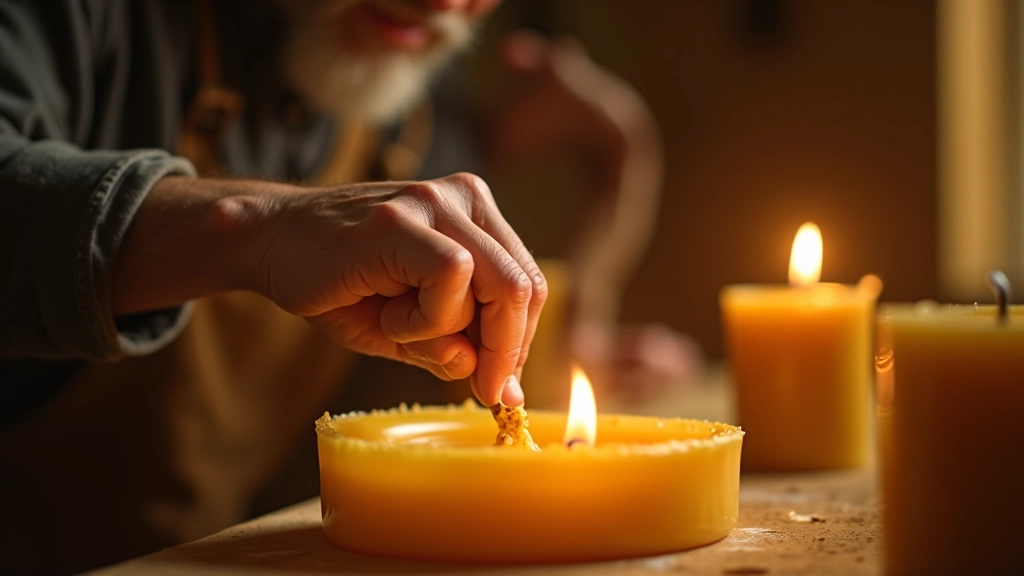
Let's talk about price directly. Yes, beeswax candles cost more upfront. You might pay 3-5 times the price of a paraffin candle. But when you calculate the actual cost per hour of burn time, beeswax is often cheaper.
A paraffin candle might burn for 30 hours and cost $10. That's 33 cents per hour. A beeswax candle that burns for 80 hours and costs $40 is 50 cents per hour. The difference is small, but you're also getting air purification, better light, and a product that doesn't fill your home with soot.
Longer burn time: More hours of use per purchase
Better light: Brighter flame that's easier on the eyes
Air purification: Negative ions clean your space
No soot: Cleaner air, no residue on walls
Natural scent: Honey aroma without synthetic fragrance
When you add it all together, a beeswax candle isn't an expensive luxury. It's a practical investment in your home environment and your health.
If you've been burning paraffin candles, switching to beeswax is one of those small changes that actually makes a difference. You'll notice it immediately — the light, the scent, the cleanliness of the air. And once you've used a quality beeswax candle, it's hard to go back.
The investment pays off in comfort, in air quality, and in the simple pleasure of a well-made candle. Hand-poured beeswax candles from Czech makers represent genuine craftsmanship and real value. They're worth the investment because they're built to last, designed to perform, and made with actual care.
Start with one candle. Light it in the room where you spend the most time. Give it a few burns. You'll understand why people choose beeswax, and why it's worth paying more.
This article is for informational purposes only and reflects general knowledge about beeswax candles. Individual results may vary based on candle quality, room size, ventilation, and burn practices. While beeswax has natural properties that may support air quality, we encourage you to research candle safety and use candles responsibly. Always follow manufacturer guidelines for safe burning, keep candles away from flammable materials, and never leave a burning candle unattended.
Different styles serve different purposes. We compare burn time, ambiance, and practical use cases to help you pick the right candle for your space.
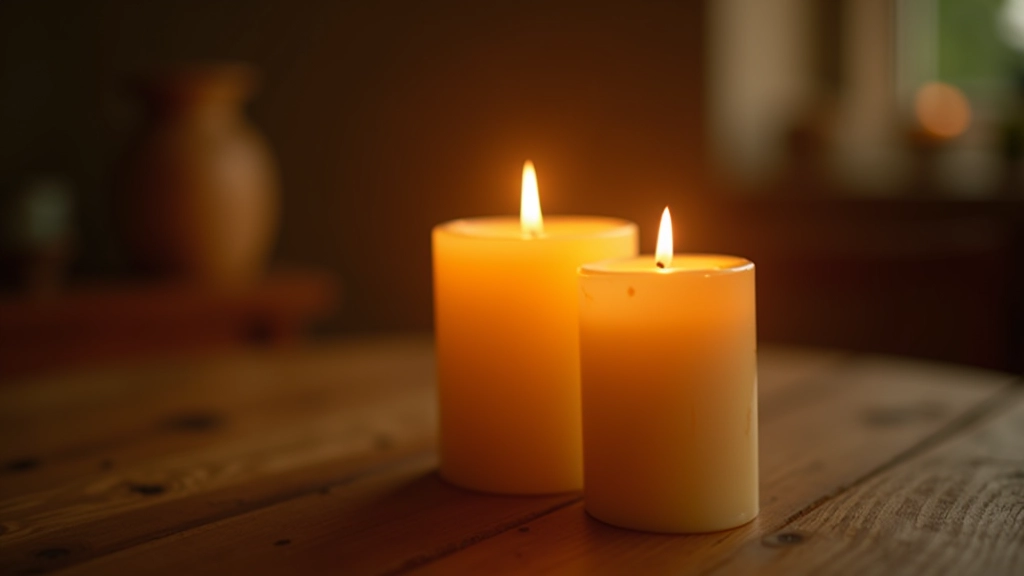
The gentle crackling sound of a wooden wick creates a cozy, fireplace-like atmosphere. Discover why wooden wicks are becoming the preferred choice for ambiance.
Gift sets don't need to be complicated. We'll show you how to pair candles with complementary items to create something truly special.